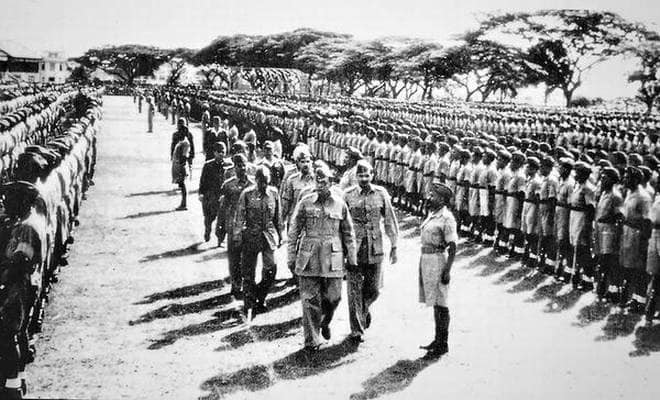
Subhas Chandra Bose, popularly called ‘Netaji’, a name etched in the annals of history, was a luminary whose indomitable spirit and unwavering patriotism galvanized the Indian independence movement. Born on January 23, 1897, in Cuttack, Odisha, Bose was a prodigious student, securing top ranks and eventually moving to England to prepare for the Indian Civil Services (ICS). Despite his success, his heart was never in bureaucracy; he yearned for India’s freedom from British rule.
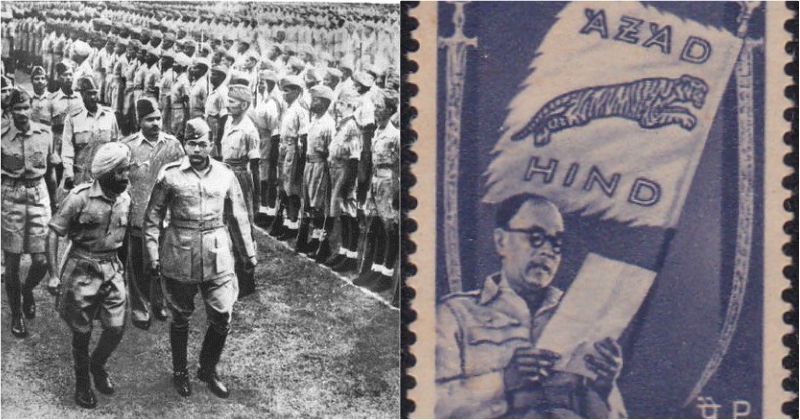
Bose’s political journey began in earnest when he joined the Indian National Congress, inspired by the ideals of leaders like Mahatma Gandhi. However, his methods soon diverged from Gandhi’s non-violent approach. Bose believed in complete and immediate independence, which led him to part ways with the Congress and form the Forward Bloc in 1939.
Anecdotes from Bose’s life illustrate his fearless nature and strategic acumen. One such instance is his daring escape from house arrest in 1941. Disguised as a Pathan, Bose traveled across India to Afghanistan, then to Germany, seeking support for India’s liberation. His journey was fraught with peril, but his determination was unshakeable. This bold move exemplified his belief in taking calculated risks for the greater good.
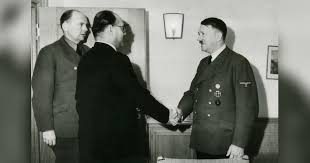
In Germany, Bose sought Axis powers’ assistance, leveraging global political dynamics to further India’s cause. His efforts bore fruit when he met Japanese leaders, resulting in the formation of the Indian National Army (INA) in 1943. The INA, composed of Indian soldiers from British Indian Army prisoners of war, aimed to overthrow British rule through armed struggle.
Bose’s clarion call, “Give me blood, and I will give you freedom,” resonated deeply with his compatriots, sparking a renewed fervor for independence.
Bose’s leadership was marked by his exceptional ability to inspire and mobilize. Under his command, the INA advanced to the northeastern frontiers of India, instilling fear in the British regime. His brave officers, including General Shahnawaz Khan, Colonel Habib ur Rahman, Captain Abbas Ali, Colonel Prem Kumar Sahgal, Major General M. Z. Kiani, Captain Lakshmi Sahgal, Captain Ram Singh Thakuri, and Captain Janaky Athi Nahappan, were pivotal in leading the INA’s campaigns. These men and women, representing diverse communities, displayed extraordinary courage and commitment, embodying the spirit of Bose’s vision for an independent India.
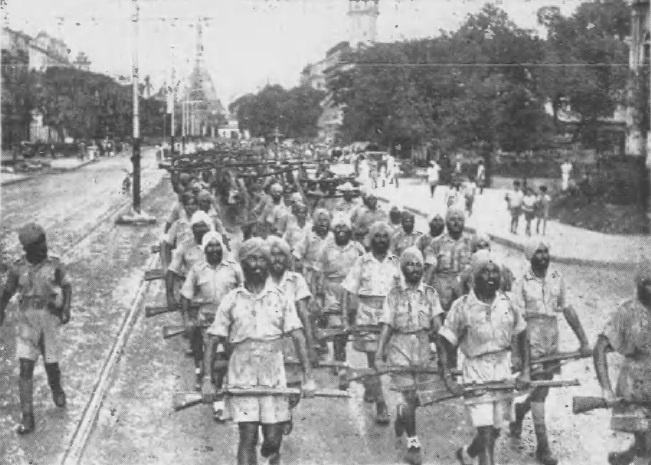
The military gains of the INA under Bose were notable. The INA fought in several crucial battles, such as the Battle of Imphal and the Battle of Kohima, which were part of the U-Go Offensive led by Japanese forces. Although these battles ultimately ended in Allied victories, the INA’s participation demonstrated their valor and commitment. The INA also launched the Arakan offensive in 1944, advancing into British-held Burma. Despite facing logistical challenges and superior Allied forces, the INA’s efforts were instrumental in keeping the spirit of resistance alive among Indians and pressuring the British administration.
Despite facing overwhelming odds and eventual defeat, the INA’s campaigns significantly contributed to the momentum of the freedom movement, compelling the British to reconsider their hold on India.
The mysterious circumstances surrounding Bose’s death in 1945 added to his legendary status. It is widely believed that he perished in a plane crash in Taiwan, but conspiracy theories persist, fueled by the absence of definitive evidence and the enigmatic nature of his life.
Bose’s legacy is one of courage, sacrifice, and an unyielding quest for justice. His life serves as a poignant reminder that true leadership demands not only vision and strategy but also the audacity to challenge the status quo and inspire others to follow suit.
Subhas Chandra Bose is an inspiration for every freedom fighter because his life embodies the sacrifices necessary to achieve the lofty goal of national liberation. His willingness to leave behind a promising career, face immense personal danger, and mobilize an army underlines the extent of sacrifice required to free one’s country from oppression.
Bose demonstrated that the fight for freedom often demands personal sacrifice, relentless determination, and the ability to inspire others toward a common cause. His story remains a beacon of hope and a powerful motivator for all who continue to struggle for justice and independence around the world.
-Notes by Mohammed bin Thajammul Hussain Manna. 29th June 2024.
 Saheehus-Seerah