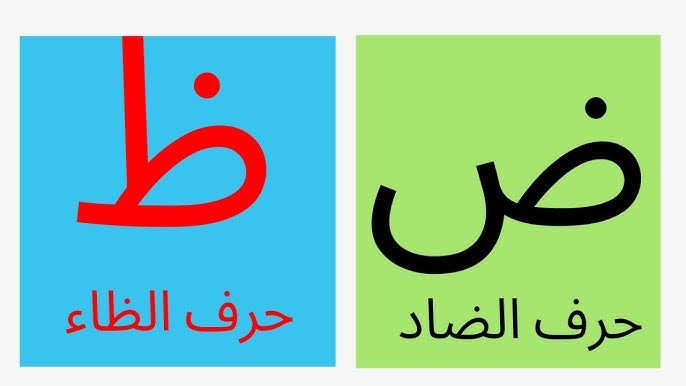
The ruling on Khalat (mixing in the recitation) between (الظاء) and (الضاد) in the recitation of the Quran.
The question: A message was received in the program from the listener Mr. Abdelfattah As-Sayed Salama, from Cairo. This message consists of three pages. The summary of its content—O respected Shaikh—is that Quran reciters Khalat (confuse,mix) between (الظاء) and (الضاد), and he requests guidance for the people regarding this matter—may Allah reward you with goodness—especially since he has reviewed many research papers in the Arabic language on this topic. He seeks guidance, may Allah reward you with goodness.
The answer by Shaikh Abdul Azeez bin Abdullah bin Baaz (Rahimahullah):
The correct view among the research scholars is that the Iltibas (substitution of) of (الضاد) with (الظاء) does not harm the validity of the recitation, neither in prayer nor in other contexts, because their points of articulation are close, and not everyone is able to distinguish between them. Therefore, the matter is lenient in this regard, and praise be to Allah. Neither the reciter nor others should be strict about this. The teacher of Quran recitation and others should not impose strictness in this matter. If distinguishing between them is easy, then there is no harm, but if not, then the matter is lenient in this regard.
Among those who highlighted this is Al-Hafiz Ibn Kathir—may Allah have mercy upon him—in his commentary on Surah Al-Fatihah at its end, where he clarified that the correct view is that one is excused for this, and strictness should not be applied regarding it, because many people may find it difficult to differentiate between the two letters. And Allah is the source of strength, yes.
Presenter: Allah is the source of strength. May Allah reward you with goodness.
Source: Fatawa Noor Ala-Ad-Darb.
(Translated by Mohammed bin Thajammul Hussain Manna.)
 Saheehus-Seerah