“It is not necessary to be a spy (planted by the enemy) to serve your enemy… it is enough to be foolish!”
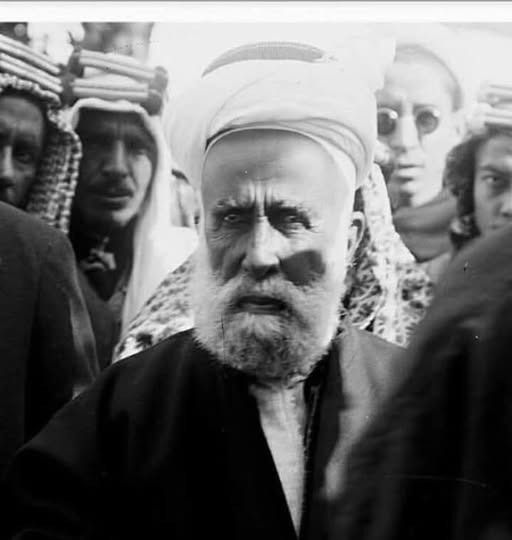
What did Sharif Hussein do when he learned about the Sykes-Picot Agreement? Something incredible!
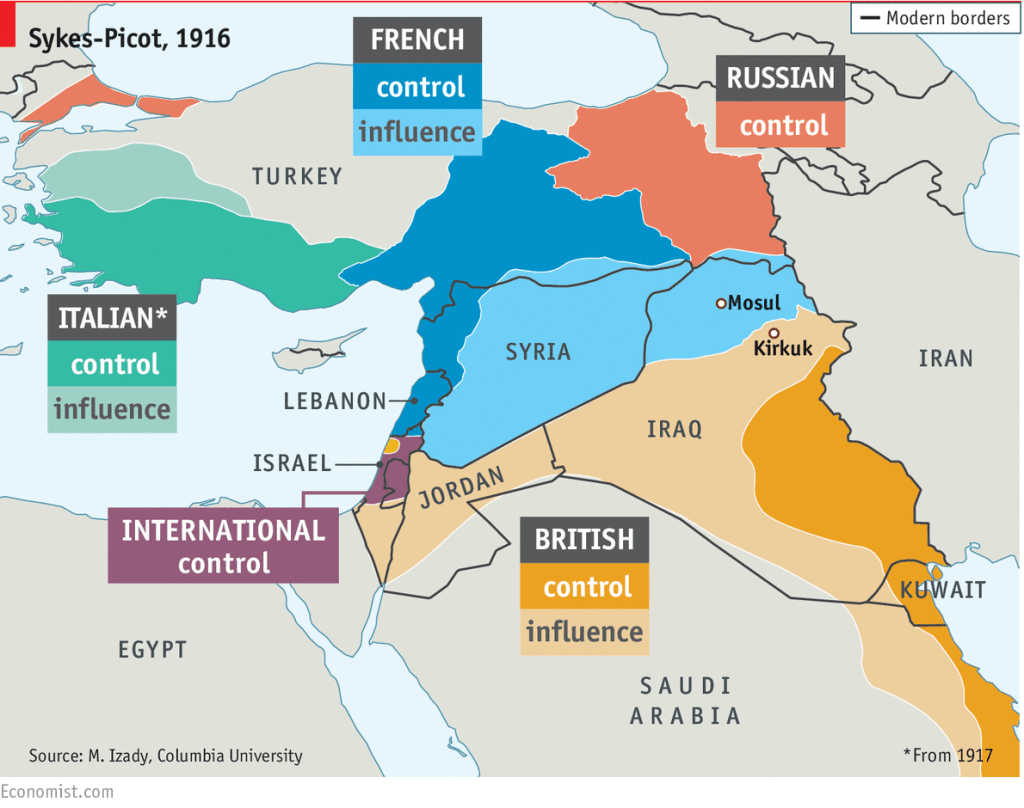
In late 1915, Britain and France began secret negotiations regarding the division of Ottoman territories in the event of an Allied victory in World War I.
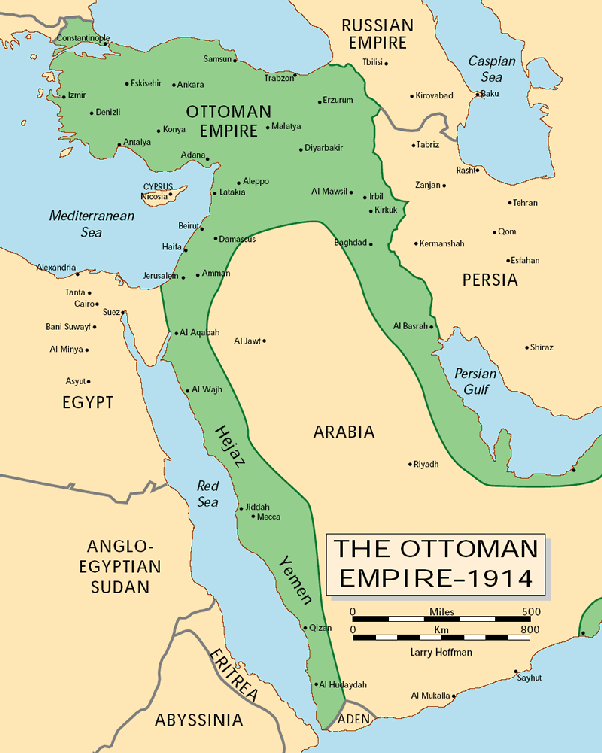
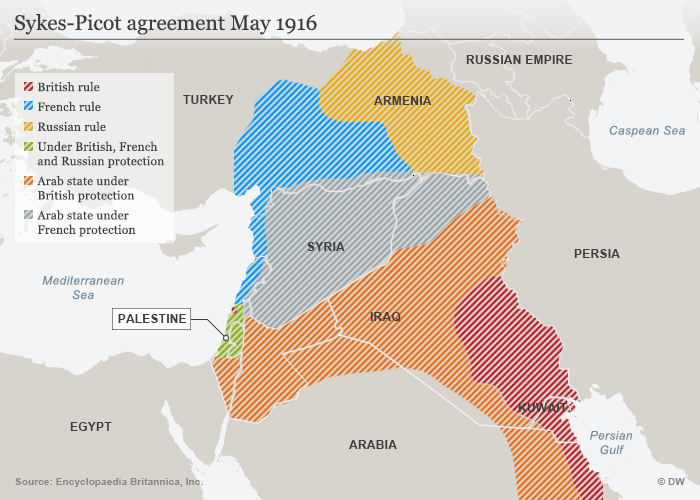
Shortly thereafter, Tsarist Russia joined the discussions, agreeing to the deal on the condition that it would gain control of Constantinople, the Bosporus Straits, and parts of Anatolia. In May 1916, the agreement was finalized, stipulating the division of the Levant and Iraq between Britain and France, with Palestine placed under international administration—a clear precursor to what would later be known as the Balfour Declaration.
The Fall of Russia and Revelation of Secrets:
No one expected that events would take a dramatic turn. In 1917, the Bolshevik Revolution erupted, overthrowing the Russian Tsar and bringing the communists to power under the leadership of Vladimir Lenin. Upon assuming control, Soviet Foreign Minister Leon Trotsky examined the archives of the Tsarist Ministry of Foreign Affairs, where he discovered the text of the Sykes-Picot Agreement. To expose the colonial powers’ conspiracy against the colonized peoples, the Bolsheviks decided to publish the complete document.
On November 23, 1917, the Russian newspaper Pravda published the full text of the secret agreement, and it was soon picked up by European newspapers, including Britain’s Manchester Guardian. This caused severe embarrassment to the British and French governments in the eyes of their Arab allies, whom they had promised independence.
After the agreement was disclosed, its details quickly reached the Ottoman Empire through Germany and Austria-Hungary, allies of the Ottomans in the war. The Ottomans had long suspected a British-French conspiracy to divide their territories, but they lacked formal proof until the Bolsheviks exposed the secret documents.
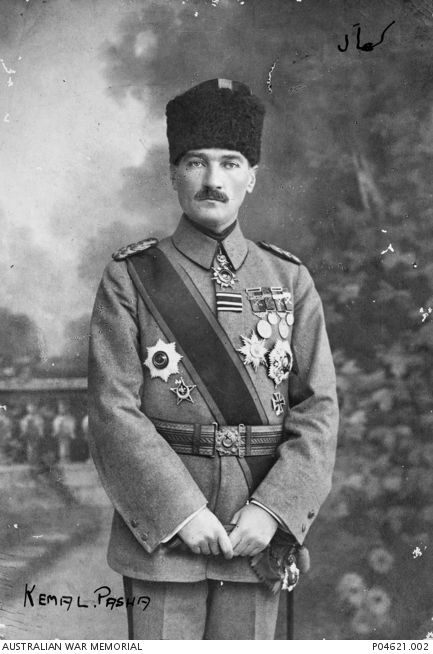
When Mustafa Kemal Pasha, commander of the Ottoman Fourth Army stationed in the Levant (Greater Syria), learned of these details, he decided to warn the Arabs one final time.
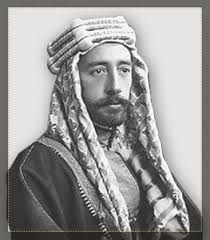
On November 26, 1917, he (Kemal Pasha) sent a message to Prince Faisal bin Al-Hussein (son of Sharif Hussein), detailing what the Russians had revealed in the global press, exposing the Sykes-Picot Agreement and everything he knew about the division of Palestine, Syria, and Iraq between Britain and France. He urged Faisal to reconsider his alliance with the British.
Among the contents of his message: “Today, we live in one of the most ambiguous and doubtful pages in the history of Islam. The Ottoman government entered the war determined to put an end to the humiliation of Islam, to live with honor and independence, or die with dignity. But what kind of independence can you envision for an Arab government that emerges after the internationalization of Palestine, the complete control of Syria by France, and the entirety of Iraq becoming part of British possessions?”
How did Sharif Hussein (of Hijaz) respond to the revelation of this conspiracy?
When news of the Sykes-Picot Agreement reached Sharif Hussein via Kemal Pasha, he initially did not believe it. He sent a message to the British High Commissioner in Egypt and Sudan, inquiring about the veracity of the information. The reply from Lord Balfour denied the existence of any such agreement, claiming it was merely Ottoman and Bolshevik propaganda designed to sow discord between the Arabs and their allies. Consequently, Sharif Hussein chose to trust the British with astonishing simplicity.
The historian Muhammad Ali Ahmad describes Sharif Hussein’s stance as follows: “Once again, as part of the recurring series of Sharif Hussein’s trust in the British, he stood believing them. These misleading justifications were convincing to him, and he continued to surrender to British policies and their deceit.”
Sharif Hussein’s official response to Kemal Pasha, conveyed through Prince Faisal, was as follows: “There is nothing between the Arabs and the Turks but the sword until the war ends, and they leave Arab lands.”
Despite British denials, subsequent events on the ground validated the Ottoman warnings. In December 1917, Jerusalem fell to the British, and after the war ended in 1918, the implementation of Sykes-Picot and the Balfour Declaration began.
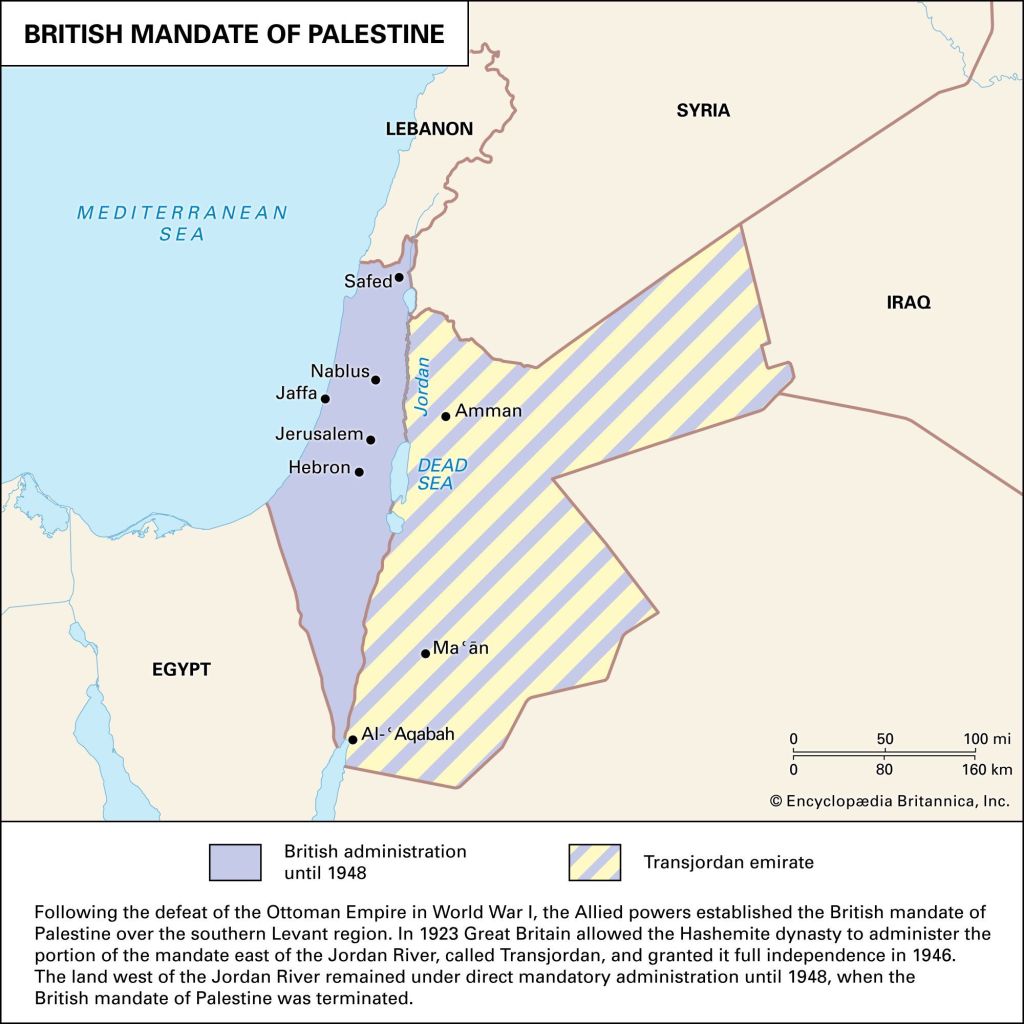
Palestine was placed under British mandate, Syria under French control, and Iraq in British hands. The Arabs realized, too late, that they had been deceived, that they were the fuel for a grand colonial conspiracy, and that the British were nothing but masterful deceivers, bound by no covenant.
As Shaikh Muhammad Al-Ghazali (Rahimahullah) aptly said: “It is not necessary to be a spy to serve your enemy… it is enough to be foolish!”
Note: This account is based on historical events but may contain some contested details among historians. The goal of presenting it is to draw attention to the lessons of history, not to ridicule or defame individuals. And Allah knows best.
(-Translated from the Arabic note on Twitter by Salman Ar-Roomi (Riyadh) @k_a_n_5 )
Translator’s note:
1- Mustafa Kemal Atatürk, rose to prominence as a military leader during the collapse of the Ottoman Empire. Initially, he invoked Islamic unity to rally support against foreign occupation, presenting himself as a defender of Muslim lands. However, after consolidating power and founding the Republic of Turkey in 1923, he abolished the Caliphate and implemented aggressive secular reforms. These included banning Islamic attire, replacing Arabic script with Latin, and suppressing religious institutions. His life after leadership became infamous for dismantling Islamic governance and traditions, and imposing a secular dictatorship that marginalized Islam in public life in modern Turkey. Mustafa Kemal Atatürk passed away on November 10, 1938, at the Dolmabahçe Palace in Istanbul.
2- Sharif Hussein bin Ali Al-Hashimi of Hijaz initially served as an Ottoman governor. He was appointed as the Ameer of Makkah in 1908, a position that made him the Ottoman-appointed ruler of the Hijaz region. Despite his role within the Ottoman administration, he later turned against the empire during World War I by leading the Arab Revolt in 1916, seeking to establish an independent Arab state with British support. An ‘Arab Caliphate’ spanning from Aleppo to Aden, free from Ottoman rule. Encouraged by British promises during World War I, he launched the Arab Revolt in 1916, with the aid of his sons, Abdullah, Faisal, and Ali. However, Hussein’s betrayal of the Ottomans for British support ultimately led to his own downfall. Britain and France reneged on their promises, dividing Arab territories under the Sykes-Picot Agreement. Abandoned by his allies, Hussein faced further devastation when the Al-Saud clan, lead by (King) Abdul Azeez bin Abdur Rahman Aal-Saud, promising strict religious revival and bolstered by British support, overran Hijaz and Najd between 1924 and 1925, finally establishing the ‘Kingdom of Saudi Arabia’ in 1932. Exiled and disillusioned, Hussein’s ambitions collapsed. His sons secured limited roles—Abdullah as King of Transjordan and Faisal as King of Iraq—but his legacy serves as a stark reminder of betrayal and the reshaping of the Arab world.
(Translated and notes added by Mohammed bin Thajammul Hussain Manna.)
 Saheehus-Seerah