The Ruling on Eating Cat and Crow Meat for Medical Treatment
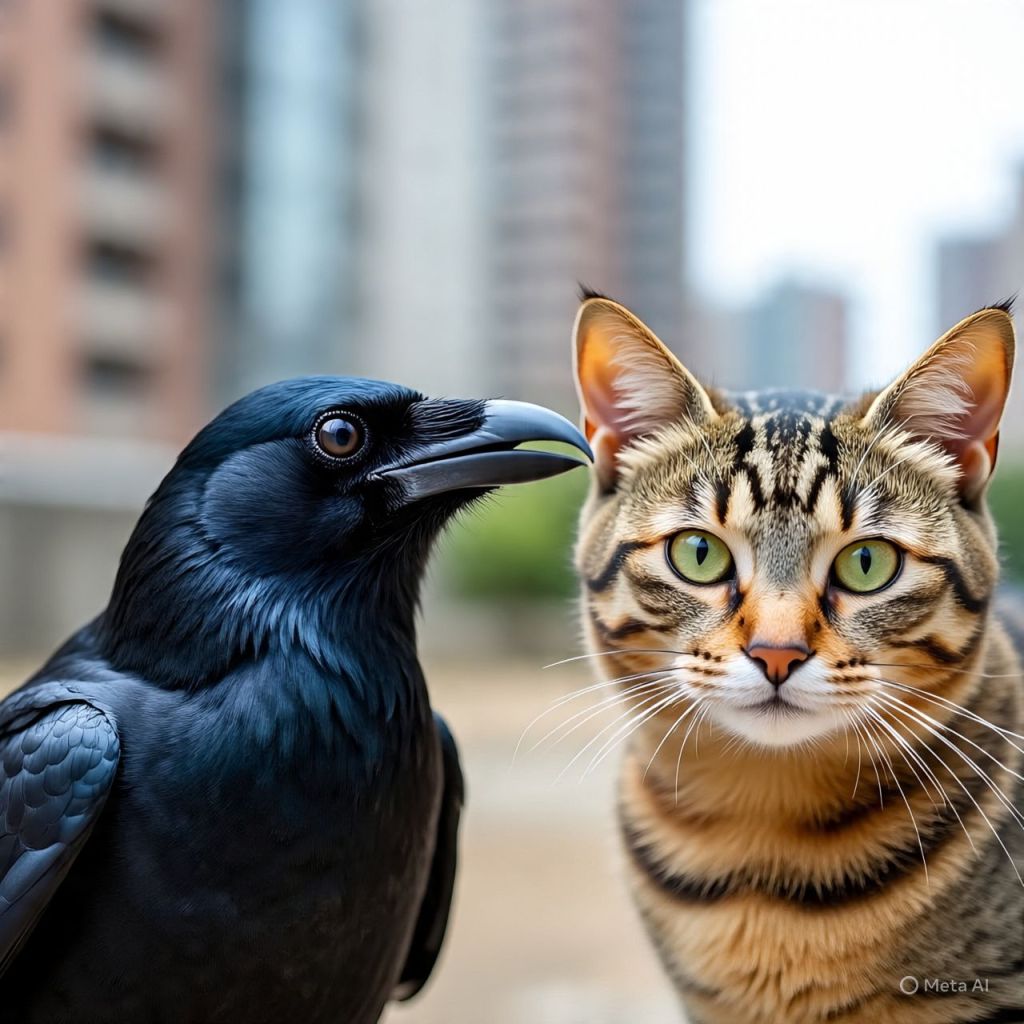
Question: Since some time ago, a neighbor of one of my friends had children afflicted with a speech impediment (stuttering/stammering) that constantly affected them. She took them to all hospitals, but no solution was found for this condition, even as their ages ranged from 10 to 18 years. There were four children: one girl and three boys. An elderly woman advised her to slaughter a cat and offer it as food to them. She did so, and something astonishing occurred in front of my friend: a complete recovery. I request clarification on this matter from an Islamic legal perspective, and whether eating cats is permissible. I also heard of a similar case involving a crow, which also resulted in recovery. It is worth noting that my friend is trustworthy and well-known. May Allah reward you.
Answer:
All praise is due to Allah, and may peace and blessings be upon the Messenger of Allah, his family, and his companions. To proceed:
Know that the fundamental principle concerning seeking treatment with forbidden (muḥarramāt) and impure (najāsāt) substances is prohibition. This is based on the saying of the Prophet (peace be upon him), as found in Ṣaḥīḥ al-Jāmi‘: “Seek treatment, O servants of Allah, for Allah the Almighty has not sent down a disease without also sending down a cure for it, except for one disease: old age.” [Narrated by Aḥmad and Al-Ḥākim]. In another narration: “Do not seek treatment with what is forbidden (ḥarām).” And cats are among what is forbidden to eat. At-Tirmidhī and Abū Dāwūd narrated from the Hadith of Jābir and others that he said: “The Prophet (peace be upon him) forbade the eating of cats and their price.” The author of ‘Awn al-Ma‘būd said: “This indicates that the cat is forbidden (ḥarām), and its apparent meaning is that there is no distinction between wild and domestic cats. The prohibition is further supported by the fact that it is among the animals with fangs.” End quote.
[The Types of Crows Mentioned By The Scholars of Islamic Jurisprudence.]
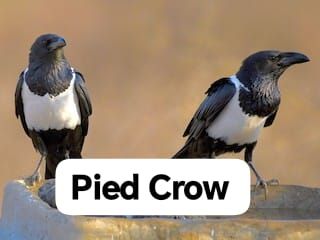
As for the crow, the general body of jurists (al-fuqahā’) are of the opinion that it is forbidden (taḥrīm) to eat the type that consumes carrion, which is the pied crow (al-abqa‘).
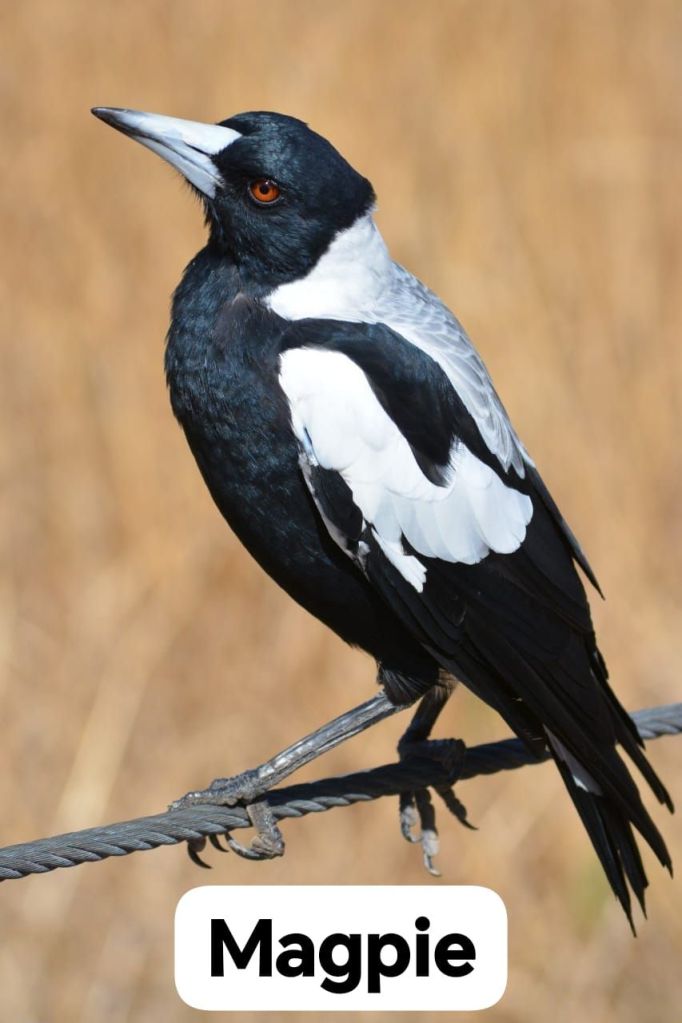
Similarly, the ghudāf, which most identify as the magpie (al-‘aq‘aq), is also forbidden.
However, they permitted the rook/corn crow (ghurāb az-zar‘). It is stated in Al-Mabsūṭ, when mentioning the crow whose consumption is forbidden: “What is meant by it is the one that eats carrion. As for the rook/corn crow (al-ghurāb az-zar‘ī) that picks up grains, it is pure (ṭayyib) and permissible (mubāḥ), because it is not naturally considered repulsive, and it may become accustomed to humans like pigeons.” End quote.
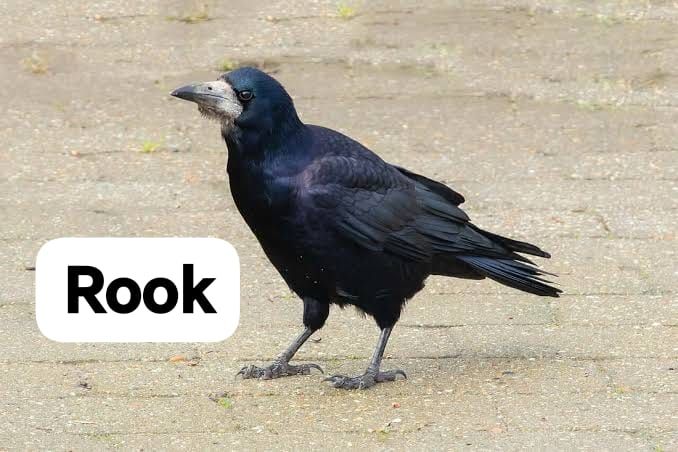
In Fatḥ al-Bārī by Ibn Ḥajar: The scholars have agreed to exclude from this ruling the small crow that eats grains, which is called ghurāb az-zar‘ (rook/corn crow) or az-zāgh (jackdaw), and they issued a fatwa (religious edict) permitting its consumption. Thus, all other types of crows remain affiliated with the abqa‘ (pied crow) in ruling.
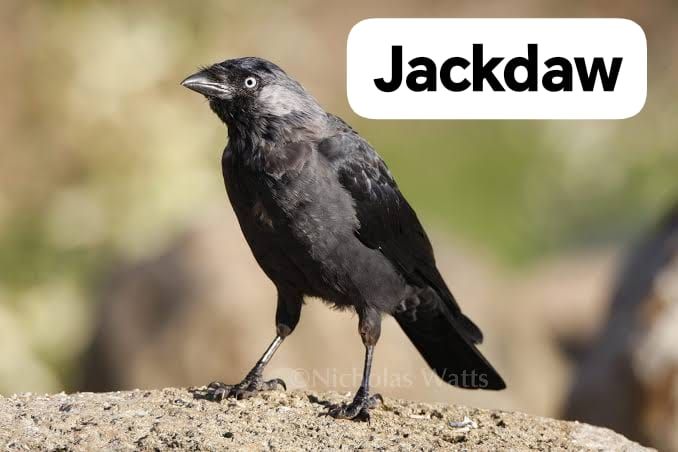
In Al-Mawṣū‘ah al-Fiqhiyyah al-Kuwaytiyyah (The Kuwaiti Fiqh Encyclopedia): The argument of those who made an exception for the permissibility of certain types of crows is that the aḥādīth (prophetic narrations) that described the crow as abqa‘ (pied) indicated that the crow mentioned possessed a characteristic that necessitated its impurity (khubth). It was observed that this characteristic is its tendency to eat carrion predominantly. Thus, the absolute aḥādīth (those not specifying a type of crow) were interpreted as referring to this type, and then anything similar to the abqa‘, such as the large ghudāf (raven), was assimilated to it. They differed concerning the ‘aq‘aq (magpie) based on their differing views on whether it frequently eats carrion or not. End quote.
Many jurists have permitted seeking treatment with forbidden substances that are not intoxicants, in cases of necessity. This is based on the Almighty’s saying: {And He has already explained to you what He has forbidden to you, except for that to which you are compelled} [Al-An‘ām: 119]. Al-‘Izz ibn ‘Abd as-Salām (may Allah have mercy on him) said: “It is permissible to seek treatment with impure substances if one cannot find a pure alternative that serves the same purpose, because the benefit of health and well-being is more complete than the benefit of avoiding impurity.” End quote.
An-Nawawī said in Al-Majmū‘: “As for seeking treatment with impure substances other than intoxicants, it is permissible, encompassing all non-intoxicating impure substances. This is the established Madhhab position and the explicitly stated position, and the majority of scholars definitively hold this view. There is another opinion that it is not permissible, based on the Hadith of Umm Salamah… [He continued until he said]: However, seeking treatment with an impure substance is only permissible if one cannot find a pure alternative that serves its purpose. If a pure alternative is found, then the impure substance becomes forbidden without disagreement. The Hadith: ‘Indeed, Allah has not made your cure in what He has forbidden to you,’ is interpreted in light of this: it is forbidden when an alternative exists, but it is not forbidden if no alternative is found. This is only permissible if the person seeking treatment is knowledgeable in medicine and knows that nothing else can take its place, or if a trustworthy Muslim physician informs him of this, and a single physician is sufficient.” End quote.
Based on this, if it is medically proven that consuming the meat of a cat or a crow—which is otherwise forbidden to eat—provides a cure for this or any other illness, and there is no sufficient alternative, then there is no harm in seeking treatment with them, Allah willing. As for the crow that is not forbidden (e.g., the rook/corn crow), there is no issue in seeking treatment by consuming its meat. It should be noted that cats are considered disliked (makrūh) by the Mālikī school, not forbidden (ḥarām). As for the crow, it is permissible (mubāḥ) according to them, though some say that consuming the jallālah (carrion-eating) type is disliked. Although this Mālikī opinion is considered less preferred (marjūḥ), adopting it in a situation of necessity is acceptable (sā’igh) and preferable to adhering to the opinion of prohibition.
And Allah knows best.
(Translated by Mohammed bin Thajammul Hussain Manna from islamweb.net #110664)
 Saheehus-Seerah