In the early 1990s, the very heart of Europe was stained with the blood of the innocent. Following Bosnia and Herzegovina’s declaration of independence in March 1992, a vile, genocidal campaign was unleashed against its Muslim population by the Christian Serb forces.
As the siege of cities like Sarajevo began in April 1992, the world was confronted with the first genocide on European soil since World War II.
The Bosniak Muslims faced a horrific reality. Trapped in besieged cities, they were subjected to daily shelling, starvation, and sniper fire. Serb forces enacted a systematic policy of “ethnic cleansing,” resulting in gut-wrenching massacres, including massively organised rapes of Muslim Bosnian (Bosniak) women (estimated between 10,000 to 50,000 women) in what were called ‘rape camps’.
A devastating UN arms embargo was imposed, which cruelly disarmed the newly-formed (Muslim) Bosnian government while their aggressors, who controlled the vast arsenal of the former Yugoslav National Army (JNA), continued their slaughter.
This gut-wrenching inaction from the world powers reached its apex in July 1995 with the Srebrenica genocide, where Serb forces overran a UN “safe area” and systematically executed over 8,000 Muslim men and boys.
The Ummah was crying out, a living embodiment of the words of the Prophet Muhammad (peace and blessings be upon him): “The believers in their mutual kindness, compassion and sympathy are just like one body. When one of the limbs suffers, the whole body responds to it with wakefulness and fever.” [Sahih Al-Bukhari and Sahih Muslim]

In this darkest of hours, a heroic voice of leadership emerged from the Arabian Peninsula.
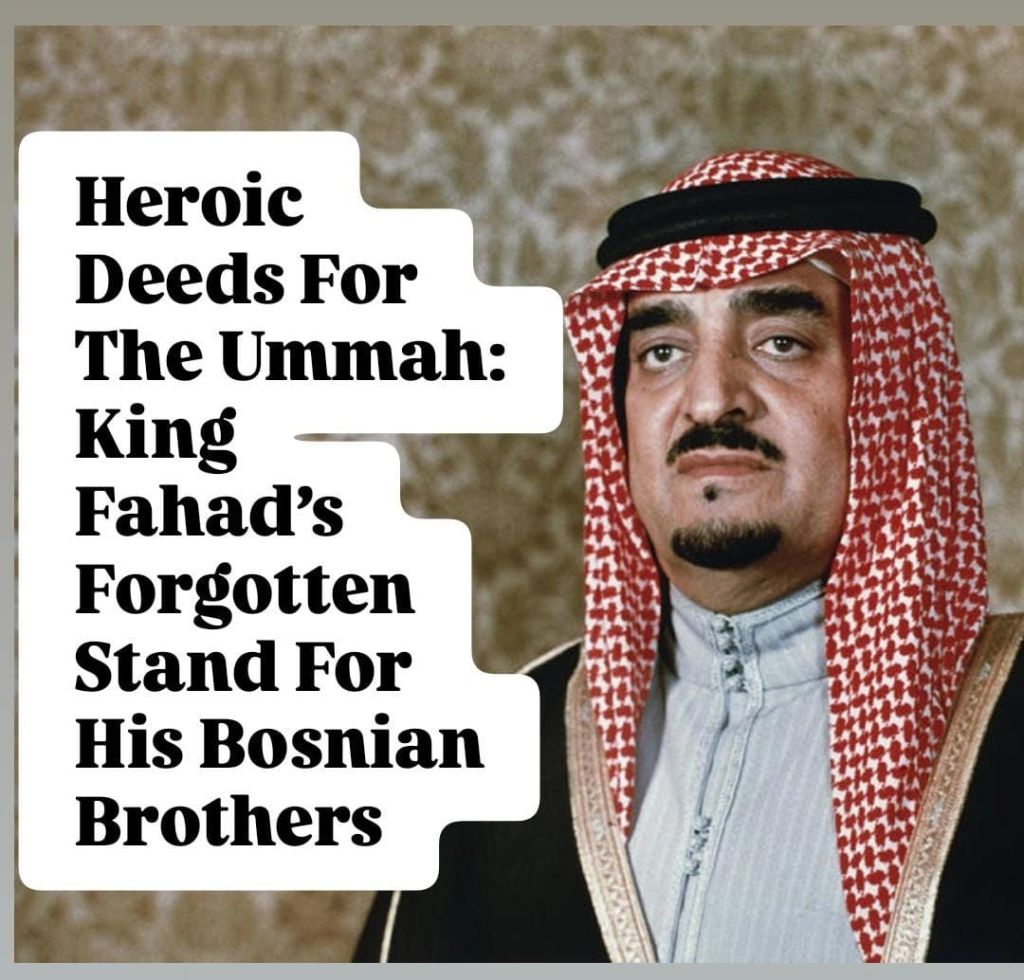
The Custodian of the Two Holy Mosques, King Fahd bin Abdul Aziz Aal-Saud (may Allah have mercy upon him), was not content to merely condemn the atrocities.
The Kingdom of Saudi Arabia, through its Supreme Commission for Donations to Bosnia-Herzegovina—headed at the time by Prince Salman bin Abdul Aziz (the current Saudi King)—had already become a lifeline, providing over $600 million in vital humanitarian and relief aid. [Reports from the Saudi High Commission]
But King Fahad (Rahimahullah) understood that this Jihād by wealth [financial aid] alone was not enough; a political and military solution was required. Through his government and his ambassador in Washington, Prince Bandar bin Sultan, he became the most persistent advocate for the Bosniaks.
The US President, Bill Clinton (in office since January 1993), later confirmed this, stating: “The only world leader out there really plaguing a way to get us (the US and international community) involved was King Fahd… they were his fellow Muslims and they were being oppressed in Europe.” [Public statements by Bill Clinton]
The King’s central demand was for the US to adopt the “lift and strike” policy. This meant: first, to “lift” the unjust UN arms embargo to allow the Bosniaks to defend themselves, and second, to “strike” Serb artillery positions with NATO airpower. To remove any financial objections, King Fahad even offered to pay the full cost of arming and training the Bosnian army, a testament to his profound commitment. [Based on memoirs and diplomatic reports of the era]
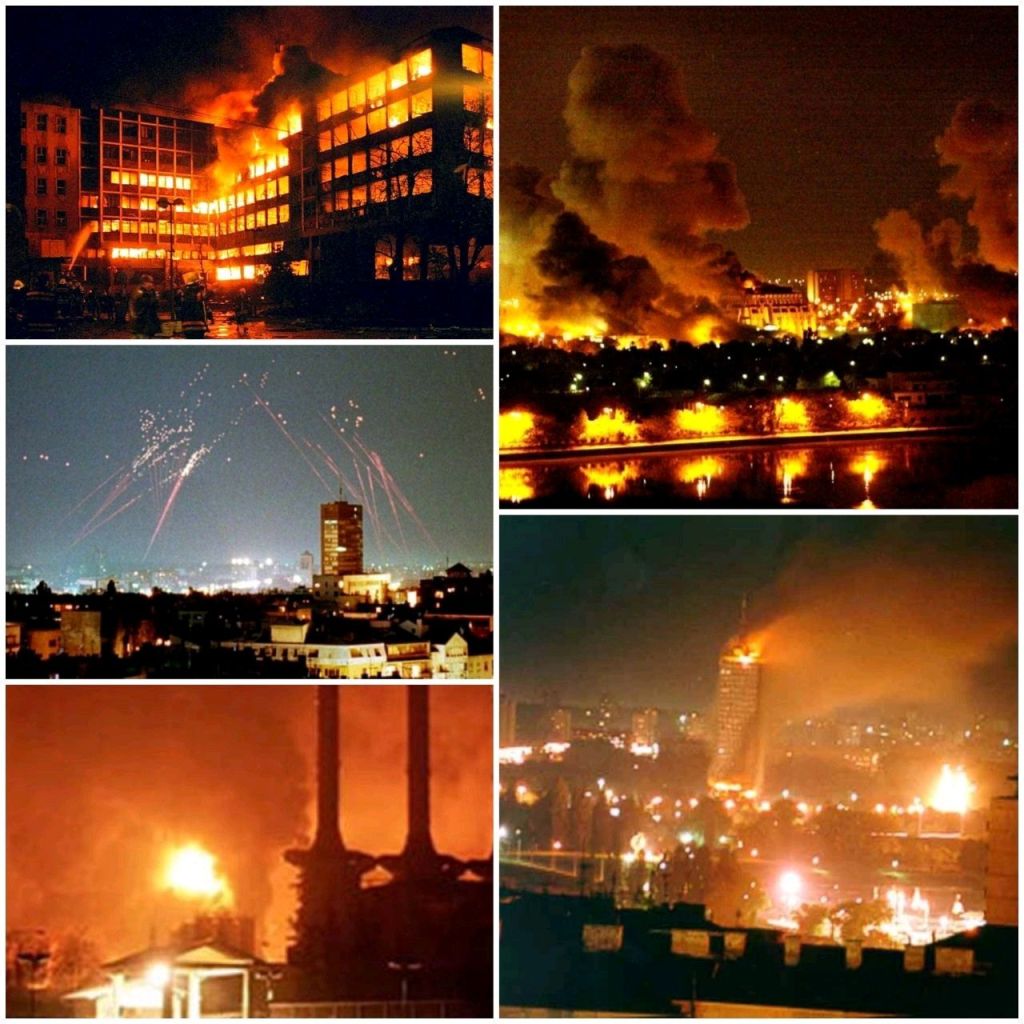
President Clinton was initially hesitant, facing strong opposition from European allies like the UK and France, who feared for their peacekeepers on the ground. But the gut-wrenching Srebrenica genocide in July 1995 became the final breaking point.
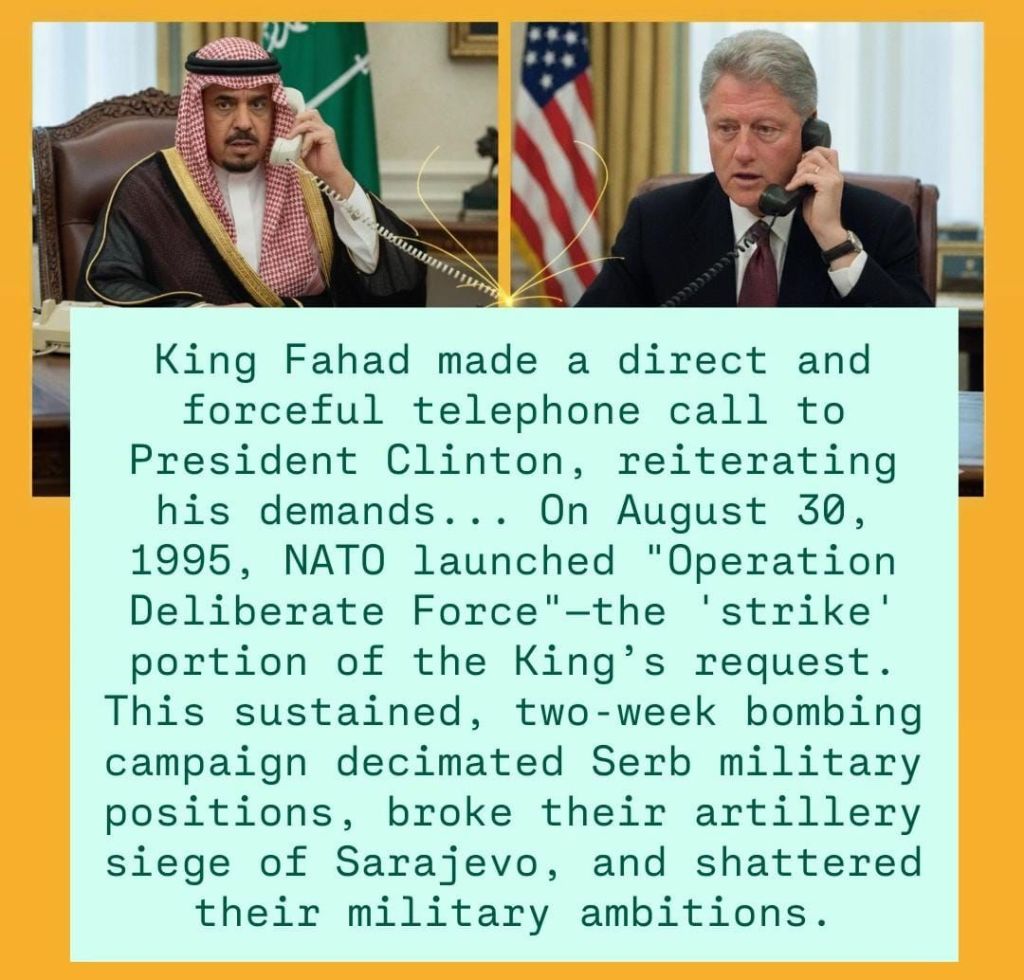
King Fahad made a direct and forceful telephone call to President Clinton, reiterating his demands. The King’s message was unequivocal: the genocide of his Muslim brethren was a red line, and if the West would not act, Saudi Arabia would be forced by its Islamic and moral duty to find its own way to arm the Bosnians.
The tide had turned. Faced with the unyielding pressure from King Fahad, outrage from the US Congress, and global horror over Srebrenica, the West could no longer abstain.
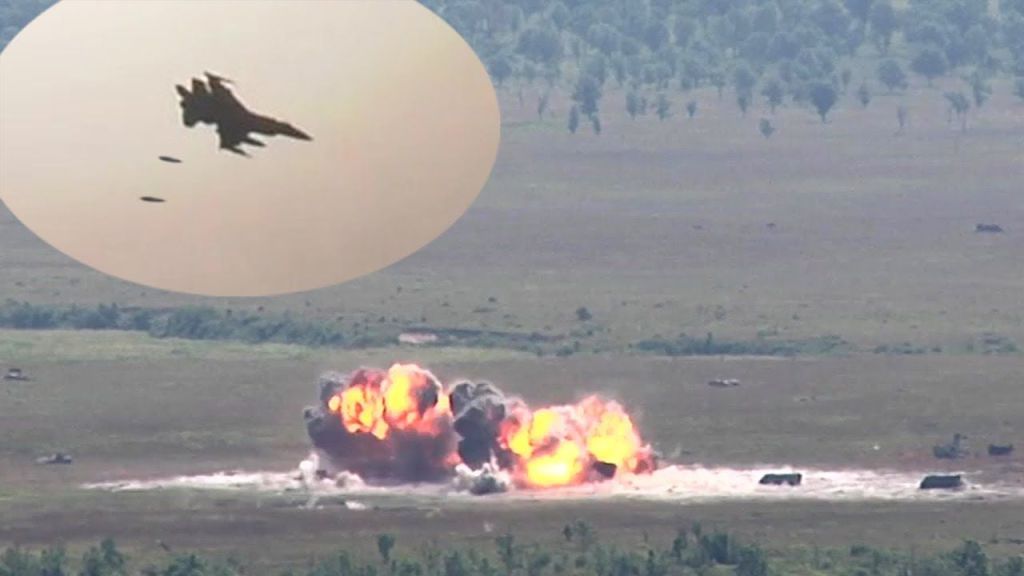
On August 30, 1995, NATO launched “Operation Deliberate Force”—the ‘strike’ portion of the King’s request. This sustained, two-week bombing campaign decimated Serb military positions, broke their artillery siege of Sarajevo, and shattered their military ambitions. The bombing campaign forced the aggressors to the negotiating table.
This led directly to the Dayton Accords in November 1995, which finally ended the war and preserved the state of Bosnia and Herzegovina.
King Fahad’s (Rahimahullah) stand was a profound example of pan-Islamic unity in action, demonstrating the immense power a faithful Muslim ruler wields when he acts with concern for the entire Ummah. He proved that the words of Allah (Subhanahu wa Ta’la), “The believers are but brothers…” (Qur’an 49:10), are a mandate for action.
We ask Allah, the Most Merciful, to accept this monumental deed from King Fahad bin Abdul Aziz, to forgive his shortcomings, to illuminate his grave, and to grant him the highest ranks of Jannah for his defense of the oppressed Muslims.
(Penned by Mohammed bin Thajammul Hussain Manna.)
What was ‘The Srebrenica Genocide Of The Bosniak Muslims’? Read here.
 Saheehus-Seerah