Using The Copper-T (IUD Contraceptive Device)

What is the Copper T?

The Copper T (also known as intrauterine device or IUD) is a small, T-shaped device made of plastic and copper that is inserted into the uterus as a form of contraception. The copper in the device works as a spermicide, preventing fertilization of the egg, and also makes the uterus lining unsuitable for implantation of a fertilized egg.

The Copper T can remain in place for up to 10 years, providing long-lasting contraception without the need for daily attention or hormonal intake. It is said that it is a highly effective method of birth control, with a failure rate of less than 1%. The device can be easily inserted and removed by a healthcare provider, and after removal, fertility usually returns quickly.

The Copper T does not protect against sexually transmitted infections, and may not be suitable for women with certain medical conditions or anatomical issues. It is important to discuss the benefits and risks of the Copper T with a gynaecologist or a healthcare expert before deciding to use it as a form of contraception.

Is it permissible to use such a device for contraception?

….

Fatawa which was shared here from Shaikh Ibn Al-Uthaymeen has been deleted. Post will be updated later In-Sha-Allah.

Note: The Islamic Shariah encourages having more children as it considers children to be a blessing from Allah and a means of increasing the Ummah (numbers of the Muslims). It also emphasizes the importance of fulfilling one’s duty to raise and educate children, and the reward of having righteous offspring in the afterlife. The Muslim scholars unanimously discourage any temporary contraceptive methods, and the majority of the scholars prohibit permanent contraceptive methods (with exceptions being given for serious health related reasons).
What should be the aim of seeking knowledge?


Apart from rectification of the self being an aim of seeking Islamic knowledge. Your knowledge should be capable of helping you identify ‘what was stated by the Prophet ﷺ’, ‘what was done by his companions’ and what is the ‘opinion of a certain scholar after the first three best generations’.

Imām Ibn Al-Qayyim (رحمه الله) said:

“Knowledge is not plenitude of narration, research, and speech. However, it is a light through which sound statements are separated from the faulty ones, the true ones from the false ones, and what is from the niche of prophethood from what is from the opinions of men.”

[Ijtimā’ Al-Juyūsh Al-Islāmiyyah p. 77, Tweeted By Shaykh ‘Abdullāh
Al-Bukhārī, translated by RPubs Editorial]

But today, we see that the students of knowledge are clinging to the opinions of their Shaikhs and teachers, and abandoning what was done by the Prophet ﷺ and his companions. They seek knowledge, not to research the truth from the narrations, rather they seek knowledge to blindly follow the statements of men. And many of them are proud about such a blind following attitude.

Abdullah bin Mas’ood (رضي الله عنه) said: “Either become an Aalim (scholar) or a Muta’allim (student of knowledge), but in between both of them, do not become a Muqallid (Imma’atan, blind follower)” [Jaami Bayaan al- Ilm: 1/71,72 H. 108]

We’re One Oh Muslims!

Muslims, we’re one in heart and soul,
A single nation, in spirit whole.
Once upon, we all were one, Calling upon The Only One,
Following The Sunnah of The Chosen One.

Come innovations and splitting then,
Infighting and disputing began…
And, the colonialists’ borders took their toll,
Separating us, and causing strife and toll.

But now the time has come to re-unite,
To reclaim our bond, and to shine bright.
For we are stronger when we stand as one,
With our diverse colours under one sun.

Let us not forget our rich histories,
Of shared struggles and victories.
For our ancestors fought for what is right,
And their legacy lives on, shining bright.

So let us raise our voices high,
In a chorus that echoes to the sky.
For we are a single nation, bound by faith,
And no boundary or wall can keep us separate,
for all time, and in every place.

So let us come together, hand in hand,
And build a future that’s built in-hearts and land.
For Muslims are one, and we will always be,
United in ease, prosperity, and difficulty.

‘Hold on to Allah’s rope and be not divided’,
Follow the Sunnah and be thus guided.
Seek help from Muhammad’s Lord Alone,
branches of innovations-let them be thrown…

Then unity will be sincere and wholly true,
Allah’s assistance will follow you,
Badr, Qadisiyyah and Yarmouk will repeat,
Our enemies Allah willing will meet defeat…

اللهم صلّ وسلم على نبينا محمد وعلى آله وصحبه أجمعين…


Imam Ahmad bin Hanbal’s Curse Upon Caliph Al-Ma’mun

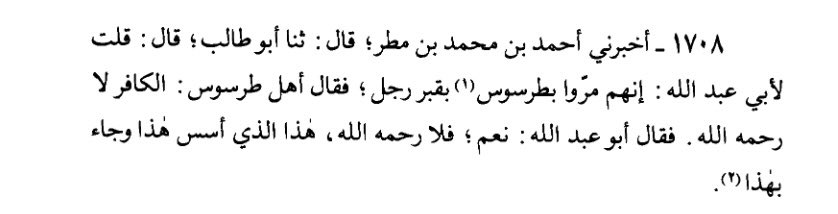
It was narrated from Abū Tālib that he said to Abū ‘Abdillah (Ahmad bin Hanbal) that they passed in Tarsūs by the grave of a man, so the people of Tarsūs said:

“ ‘The Kāfir, may Allāh not forgive him’. So Abū ‘Abdillah said: “Yes, may Allāh not forgive him, he is the one who initiated / established this (the mihna, the Fithnah of Khalq Al-Quran) and came with it.”

[as-Sunnah no 1708 by al-Khallāl

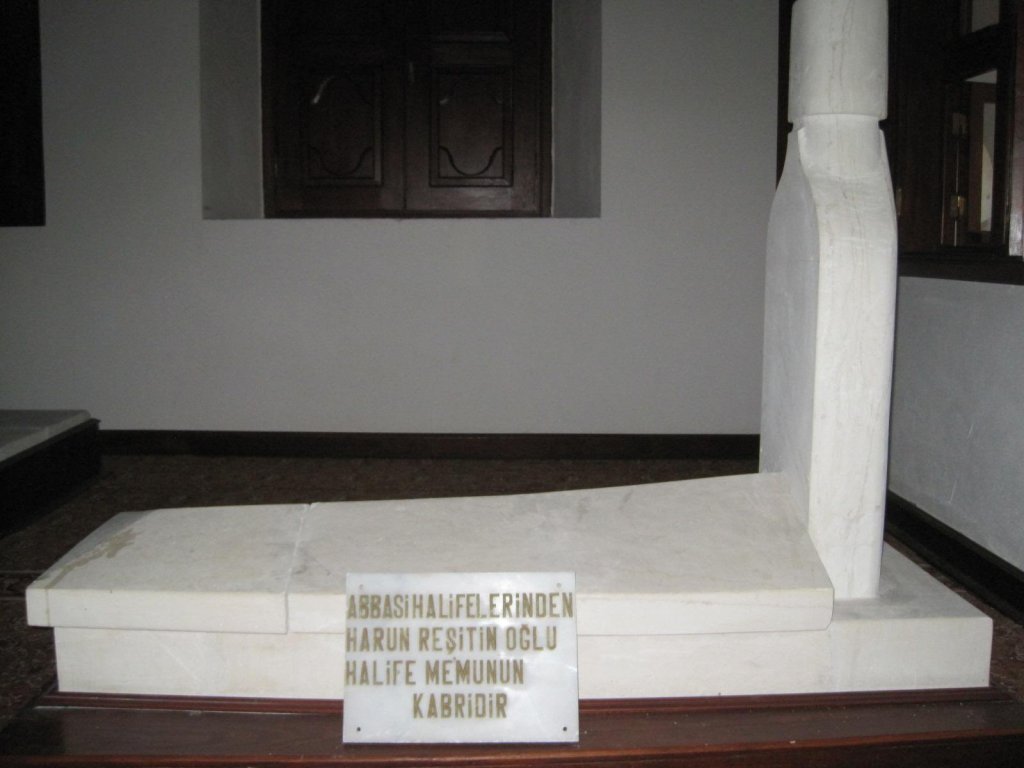
The mentioned Kāfir is the ’Abbāsid caliph al-Ma’mūn and his grave is known till this day in Tarsūs. (Picture from Google)

Banū al-‘Abbās also had promoters of the creed of Ahl as-Sunnah, namely al-Mutawakkil ‘alā-llāh, who ended the Mihnā and let the narrations the Jahmiyyah rejected (like the narration of Mujāhid) be read by the scholars of the Ahl al-Hadīth to the people (mentioned by al-Khallal).

Source: Twitter @alshaybaani

Notes On Foster Relationship And Genetic Transfer

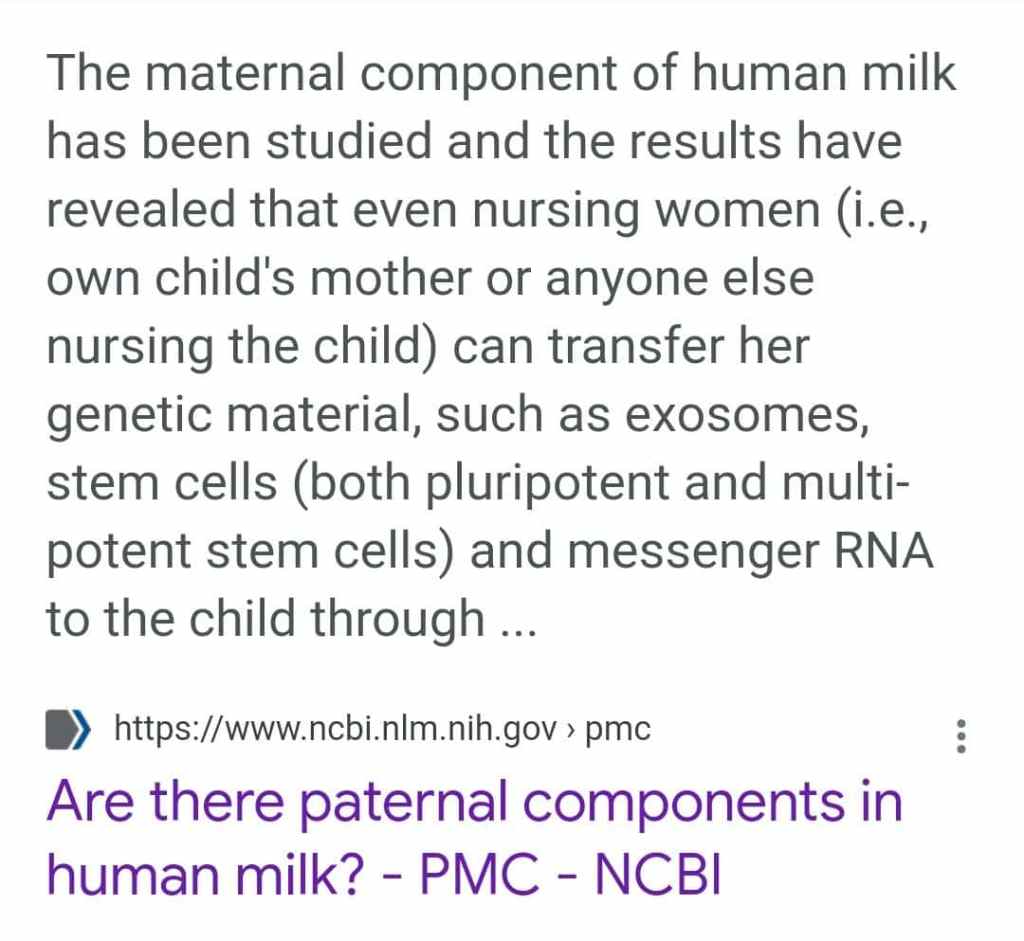
Mother’s milk (own mother or foster mother) transfers genetic material to the child. The Quran and The Sunnah have prohibited Muslims from marrying their foster mothers and foster siblings for a wisdom that Allah knows best.

Allah says:
“Prohibited to you (for marriage) are … foster-mothers (who suckled you) and foster-sisters” (Qur’an 4:23).

Thus, if you were breastfed by a lady, she becomes your foster-mother with five certain breastfeedings (See Sahih Muslim 1452), then you became a foster-child to her, and her children are your foster-siblings (and Mahram), both the older and younger ones among them.

Additional Note: What should be out attitude regarding topics like ‘The Quran and Modern Science’?

1. It is not appropriate to claim that everything from Islamic texts (The Qur’an & The Sunnah) is absolutely compatible to modern science. Because ‘modern science’ is not a fixed state, it keeps changing and shifting. What is ‘true’ now may be called ‘false’ later.

2. Hence we believe that everything mentioned in the Islamic texts is cent percent true because it came down from Allah and was spoken by His Messenger Muhammad ﷺ, regardless of whether it is in accordance with ‘modern science’ or not.

3. At times we may find certain scientific researches to support what’s mentioned in The Quran and/or The Sunnah. We may share it in order to show that what’s mentioned in the Islamic texts is in accordance with nature.

4. However if the scientific research or researchers change their stance, we shouldn’t reject the meaning of The Ayaat of The Qur’an or any authentic Ahadith. Our belief upon them is based on our Imaan in Allah and His Messenger, and that includes belief in The Unseen, Al-Ghaib. Not upon ‘modern science’.