The main aim of our site is to purify The Seerah of Prophet Muhammad ﷺ from weak and fabricated narrations using the works of the scholars of Islam. We may add other beneficial material as well.
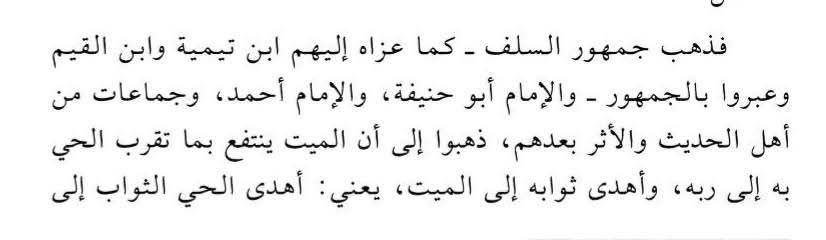
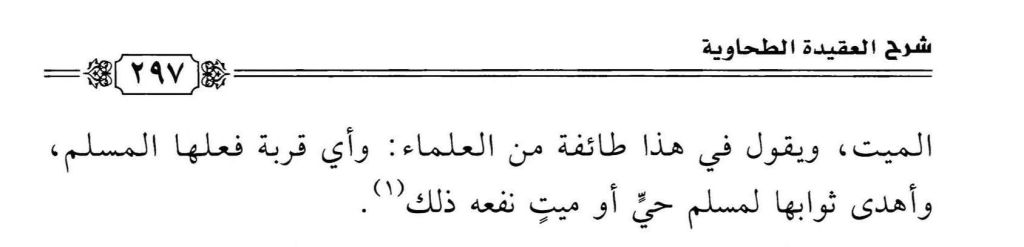
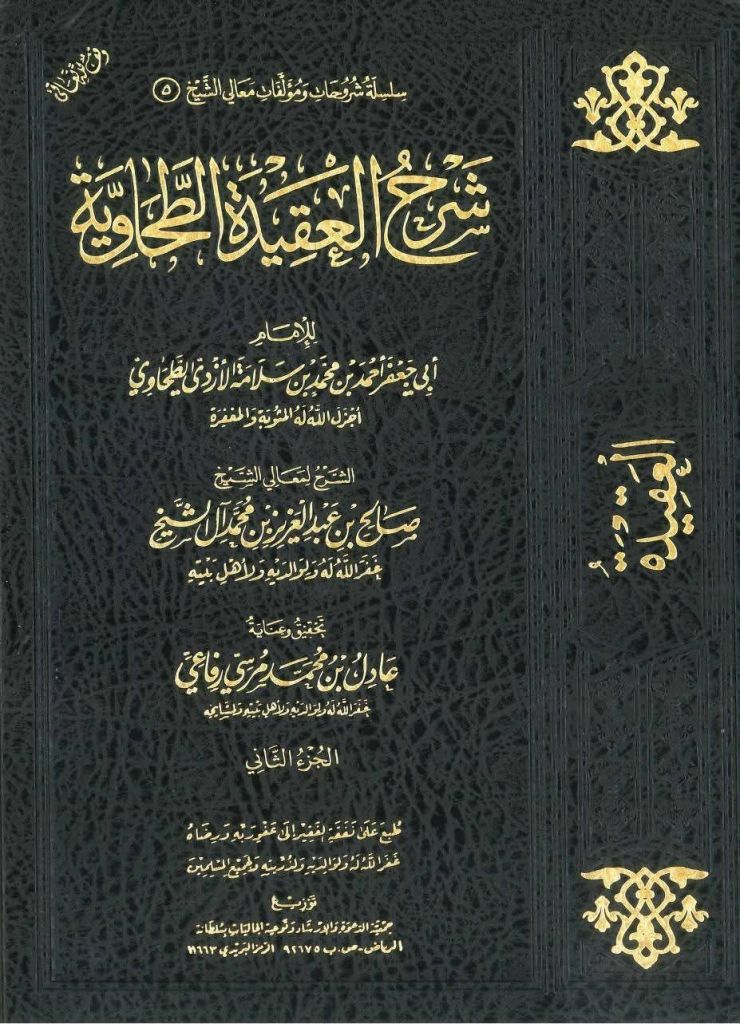
“The majority of the Salaf, as Ibn Taymiyyah and Ibn al-Qayyim attributed it to them, and they explicitly described them as “the majority”, along with al-Imām Abū Ḥanīfah, al-Imām Aḥmad, and groups from the Ahl al-Ḥadīth and Athar after them, held the view that the deceased benefits from what the living person draws near to his Lord with and then gifts its reward to the deceased; meaning that the living person gifts the reward to the deceased. A group of scholars say in this regard, whatever act of devotion a Muslim performs and gifts its reward to a Muslim, whether living or dead, it benefits him.”
Shaykh Abdul Bari Fathullah Madani (May Allah preserve him) said:
“Wa ‘alaykum al-salām wa raḥmatullāhi wa barakātuh.
Such expressions of [excessive] zeal and severity are inadvisable. How can a denier of God (Munkir-e-Khudā) and a denier of attributes (Munkir-e-Ṣifāt) be equated? The one who denies [specific] attributes falls within the seventy-three sects [of the Ummah], whereas the denier of God is an absolute disbeliever (Kāfir-e-Muṭlaq). How can there be equivalence between the two? It is unclear why people articulate such views.
They assert that ta’wīl (allegorical interpretation) constitutes inkār (denial). However, it is established in the texts of Uṣūl al-Fiqh (Principles of Jurisprudence) that: ‘al-ta’wīl far‘ al-qubūl’ (Interpretation is a derivative of acceptance). For if an individual did not accept [the text], why would they engage in interpretation? One interprets precisely because one accepts the validity of the text; otherwise, one would simply reject it. For instance, if you were to state to a non-Muslim that God is upon the Throne, they would retort, ‘Why?’—implying, ‘We do not acknowledge your Qur’ān.’
Conversely, the others [Muslims of different schools] interpret it. Therefore, engaging in such vociferous and harsh rhetoric is inappropriate. It is evident that in India, the Hanafis deny many attributes… or rather, they are mu’awwilīn (interpreters); they are not deniers, but interpreters. Thus, you cannot equate them with, or place them in the same category as, Hindu disbelievers. Furthermore, regarding Hindus who believe in a God—whether they refer to Him as Ishwar or by any other designation—you cannot classify them within the fold of Islam unless they formally embrace the faith.
Consequently, there is no utility in such harsh posts. One should desist from this, as it does not lead to the reformation (iṣlāḥ) of the Ummah.
The citation of ‘so-and-so said this’ holds little weight; the ultimate authority lies in what Allah and His Messenger have stated.
The Prophet ﷺ declared that his Ummah would divide into seventy-three sects. It follows logically that if you represent the seventy-third group, the remaining seventy-two are still [technically] Muslims. It is a separate matter that they are threatened with the Fire (nārī). However, being designated for the Fire does not necessitate eternal damnation. No; unless Allah wills otherwise, they will undergo their [decreed] punishment and eventually exit Hell, proceeding towards Paradise.
As-salāmu ‘alaykum wa raḥmatullāhi wa barakātuh.”
(Translated by Mohammed bin Thajammul Hussain Manna from the Shaykh’s Urdu audio, that was posted on Facebook (Fawz Amoodi’s account).)
شیخ عبدالباری فتح اللہ مدنی حفظہ اللہ: ”وعلیکم السلام ورحمۃ اللہ وبرکاتہ۔ اس طرح کی حماس اور شدت کی باتیں اچھی نہیں ہیں۔ منکرِ خدا ہو یا منکرِ صفات ہو، دونوں ایک کیسے ہو سکتے ہیں؟ منکرِ صفات جو ہے وہ تہتر (73) فرقوں میں ہے، اور اللہ کا منکر تو کافرِ مطلق ہے۔ دونوں میں کیسے یکسانیت ہوگی؟ یہ لوگ پتہ نہیں کیوں یہ سب باتیں بولتے ہیں۔ کہتے ہیں تاویل بھی انکار ہے۔ جبکہ اصولِ فقہ کی کتابوں میں لکھا ہے: «التأويل فرع القبول» (تاویل قبول کی فرع ہے)، «التأويل فرع القبول»۔ کیونکہ اگر کوئی آدمی قبول نہ کرے تو تاویل کیوں کرے گا؟ تاویل اس لیے کرتا ہے کہ اس کو مان رہا ہے وہ، ورنہ ہٹا دے۔ جیسے ایک غیر مسلم سے آپ کوئی بات کہیں کہ اللہ میاں عرش پر ہیں، کہے گا کیوں؟ تمہارے قرآن کو ہم نہیں مانتے۔ لیکن دوسرے لوگ اس کی تاویل کرتے ہیں۔ اس لیے اس قدر جو ہے جبڑا پھاڑ کر کے سخت باتیں کرنا اچھی نہیں ہے۔ کیونکہ ظاہر بات ہے ہندوستان میں حنفیہ بہت سے صفات کے منکر ہیں… یعنی مؤول ہیں، منکر نہیں مؤول ہیں۔ تو آپ ان کو تو لے جا کر کفار ہندوؤں کے ساتھ تو نہیں کھڑا کر سکتے۔ اور ہندو جو اللہ میاں کے قائل ہیں، چاہے وہ ایشور کہیں، چاہے جو کہیں، تو ان کو آپ اسلام میں نہیں داخل کر سکتے جب تک وہ مسلمان نہ ہو جائیں۔ اس لیے اس قسم کی سخت پوسٹس (posts) کا کوئی فائدہ نہیں۔ نہیں کرنا چاہیے، نہ اس سے امت کی اصلاح ہو سکتی ہے۔ اور فلاں نے کہا، فلاں نے کہا کی کوئی حیثیت اتنی نہیں ہوتی، اصل یہ ہے اللہ رسول نے کیا کہا ہے۔ حضور ﷺ نے کہا میری امت تہتر فرقے میں بٹے گی۔ ظاہر بات ہے کہ اگر آپ تہترواں ہیں، تو بہتر (72) بھی تو مسلمان ہی ہیں۔ یہ اور بات ہے کہ وہ جہنمی ناری ہیں۔ اور ناری کا معنی یہ بھی نہیں ہے کہ وہ ابدی ناری ہیں۔ نہیں، وہ اللہ نے اگر نہیں چاہا، تو اپنا وہ عذاب لے کر کے نکلیں گے جہنم سے جنت کی طرف۔ السلام علیکم ورحمۃ اللہ وبرکاتہ۔“
(This audio was posted by brother Fawz Amoodi on Facebook, copied and preserved here because of its benefits.)
Sheikh Abdul Bari Fathullah Madani (Hafizahullah): ”Wa Alaikum
Assalam Wa Rahmatullah Wa Barakatuh. Is tarah ki hamaas (zeal/intensity) aur shiddat (harshness/extremism) ki baatein achi nahi hain. Munkir-e-Khuda (denier of God/atheist) ho ya Munkir-e-Sifat (denier of divine attributes) ho, dono ek kaise ho sakte hain?
Munkir-e-Sifat jo hai woh 73 firqon (sects) mein hai, aur Allah ka munkir toh Kafir-e-Mutlaq (absolute disbeliever) hai. Dono mein kaise yaksaniyat (equality/sameness) hogi? Yeh log pata nahi kyun yeh sab baatein bolte hain.
Kehte hain Ta’weel (interpretation/allegorical explanation) bhi inkaar (denial) hai. Jabke Usool-e-Fiqh (Principles of Islamic Jurisprudence) ki kitabon mein likha hai: “At-Ta’weelu Far’ul Qabool” (Ta’weel [interpretation] qabool [acceptance] ki far’ [branch] hai)… Kyunki agar koi aadmi qabool na kare toh ta’weel kyun karega? Ta’weel is liye karta hai ke usko maan raha hai woh, warna hata de. Jaise ek ghair-Muslim se aap koi baat kahein ke Allah Miyan Arsh (Divine Throne) par hain, kahega kyun? Tumhare Quran ko hum nahi maante.
Lekin doosre log iski ta’weel karte hain. Is liye is qadar jo hai jabda phaad kar ke (speaking recklessly/harshly) sakht baatein karna achi nahi hai. Kyunki zahir (obvious) baat hai Hindustan mein Hanafiyyah (the Hanafi school) bohat se sifat ke munkir hain… yani Mu’awwil (interpreters) hain, munkir nahi mu’awwil hain. Toh aap unko toh le ja kar Kuffar (disbelievers) Hinduon ke saath toh nahi khada kar sakte.
Aur Hindu jo Allah Miyan ke qail (believers/convinced of His existence) hain, chahe woh Ishwar kahein, chahe jo kahein, toh unko aap Islam mein nahi daakhil kar sakte jab tak woh Musalman na ho jayein. Is liye is qism ki sakht posts ka koi faida nahi. Nahi karna chahiye, na is se Ummah ki islah (rectification/reform) ho sakti hai. Aur falan ne kaha, falan ne kaha ki koi haifiyat (status/weight) itni nahi hoti, asal (reality/basis) yeh hai Allah Rasool ne kya kaha hai.
Huzoor (SAW) ne kaha meri Ummah 73 firqon mein bategi. Zahir baat hai ke agar aap 73rd hain, toh 72 bhi toh Musalman hi hain.
Yeh aur baat hai ke woh Jahannami (hell-bound) Naari (people of the fire) hain. Aur Naari ka maana yeh bhi nahi hai ke woh abadi (eternal) Naari hain. Nahi, woh Allah ne agar nahi chaha, toh apna woh azab (punishment) le kar ke niklenge Jahannam se Jannat ki taraf.
Some evidences that using the word Khuda (a Persian word for The Almighty) for Allah is permissible.
Abdullah ibn Mubarak, a Tabai, using the word ‘Khuda’
“And it was also narrated from Muḥammad bin Salām, who said: Faḍālah asked ‘Abdullāh bin al-Mubārak concerning the Descent (al-Nuzūl) [of Allāh] on the night of the middle of Sha‘bān. ‘Abd Allāh replied: ‘O weak one! Do you find God (Khudā, Khaddaya) to be a night-watchman (actually shab-gīr, written in Arabic as Khosheerkun)? He descends how He wills.'”
Note: By asking specifically about the 15th of Sha’ban, the questioner implied that Allah’s “Descent” is a special event limited to that night. Ibn al-Mubārak refutes this by asking, “Do you think God is a night-worker [who only shows up on this specific night]?” He then affirms the orthodox Sunni stance in the final Arabic clause: “He descends how He wills” (meaning, He is not restricted by the limits you are imposing).
Imam Ibn Taymiyyah on using the word Khuda
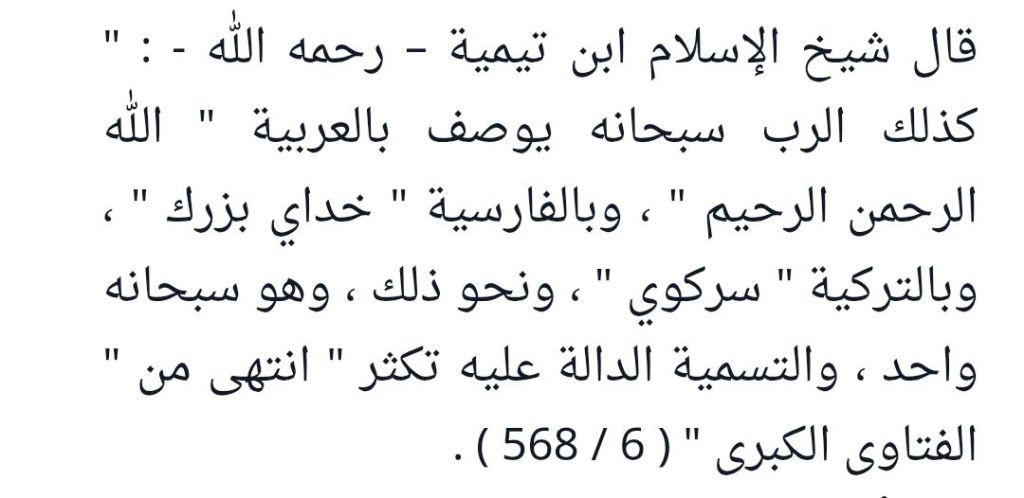
Shaykh al-Islam Ibn Taymiyah (may Allah have mercy on him) said: The Lord, may He be glorified, may be referred to in Arabic as Allah, ar-Rahmaan (the Most Gracious), ar-Raheem (the Most Merciful), and in Farsi as Khoda and so on, but He, may He be glorified, is One, and there are many ways to refer to Him.
(End quote from al-Fataawa al-Kubra, 6/568, translation of this quote was taken from islamqa.info)

 Saheehus-Seerah